
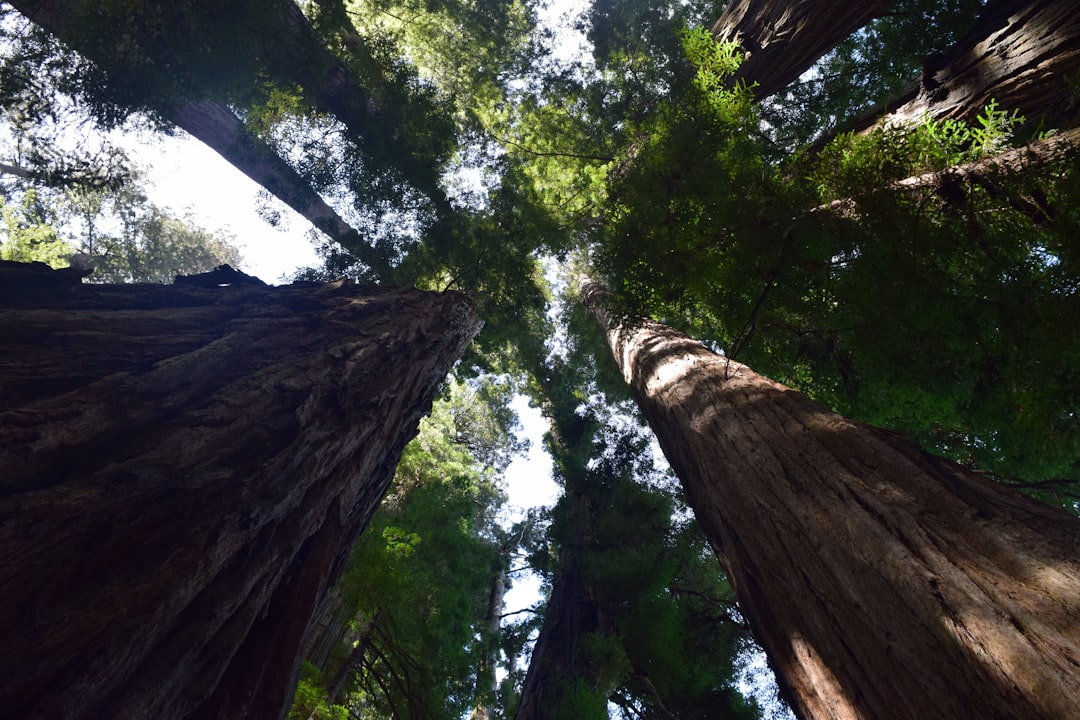
In a fast-paced world where instant gratification is the norm, the concept of slow travel is gaining popularity among those seeking a deeper connection with the places they visit. Unlike traditional travel itineraries packed with must-see sights and activities, slow travel encourages travelers to immerse themselves in the local culture, savor the moment, and embrace the journey itself.
Instead of rushing from one attraction to another, slow travelers take the time to wander aimlessly through cobblestone streets, strike up conversations with locals, and savor the flavors of regional cuisine. By slowing down and truly experiencing a destination, travelers can develop a deeper appreciation for the beauty and nuances of different cultures.
One of the key principles of slow travel is sustainability. By reducing the environmental impact of travel, slow travelers can minimize their carbon footprint and support local communities in a more meaningful way. Choosing eco-friendly accommodations, opting for public transportation or cycling, and supporting local artisans are just a few ways to embrace sustainable travel practices.
Moreover, slow travel offers numerous psychological benefits. By disconnecting from the constant barrage of notifications and distractions, travelers can reduce stress, improve mental well-being, and cultivate a sense of mindfulness. Taking the time to appreciate the small moments and unexpected encounters can lead to a more fulfilling and enriching travel experience.
While slow travel may not be for everyone, it presents a compelling alternative to the frenetic pace of modern tourism. Whether you’re exploring a bustling city or a remote village, embracing the art of slow travel can transform your journey into a soul-enriching adventure. So, next time you hit the road, consider taking the scenic route, pausing to smell the roses, and truly immersing yourself in the magic of travel.